Duty-to-RFQ translation

custom electric motorcycle requirements by operating duty

E-Moto Supply Desk translates route, rider load, daily distance, charging access and destination constraints into configuration and evidence questions for candidate original manufacturers. We do not promise route range, inventory, regulatory acceptance or a delivery date.

Share Vehicle RequirementsElectric motorcycle fleet duty planning
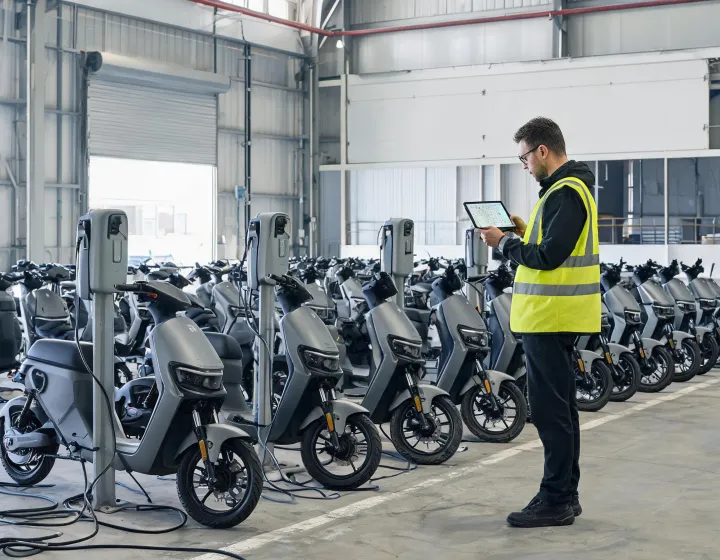
RouteDistance, grade, speed, climate, dwell and shifts
MotorcycleFrame, motor, battery, brakes and rated load
ChargingConnector, available power, dwell window and redundancy

Match the electric motorcycle to the operating task

Regional and return-to-base freight

Document loaded route distance, grades, highway share, speed, daily cycles and depot dwell. Compare usable battery capacity, charging power, connector, load effect and reserve assumptions rather than headline range.

Urban distribution and vocational duty

Record stop frequency, idling alternatives, auxiliary loads, cargo equipment, turning constraints and curb or worksite access. Battery, rider, cargo and accessory weight reduce allowable rider and cargo load and can change axle loading.

Multi-shift and corridor operation

Map charge windows, electrical service, charger sharing, contingency charging and planned maintenance. The vehicle and charging system require coordinated evidence, but destination motorering and utility work remain separate.

Application-fit evidence ledger

Comparison itemRequired basisEvidence to request
Payload and ratingsQuoted motorcycle, rider, cargo and accessoriesrated load, curb mass, axle limits and calculation basis
Energy and rangeUsable kWh and stated route conditionsBattery specification and range-test basis
ChargingConnector, AC/DC power and available dwellInterface and charging specification
Delivery scopeOne quantity, destination and IncotermItemized quotation and document list

Evidence for duty fit

Each proposal should explain the exact configuration and assumptions, not rely on a vehicle-family maximum.

How should route range be assessed?

Start with usable capacity, load, speed, grades, climate, auxiliary loads and reserve policy. A standardized cycle enables comparison but does not guarantee the buyer's operating result.

What establishes allowable rider and cargo load?

Request the curb-mass basis, rated load and axle limits, including battery, options, rider, cargo and accessories.

Who confirms US applicability?

Qualified destination-side parties review evidence tied to the exact category, model, configuration and model year. E-Moto Supply Desk does not grant FMVSS, EPA, import or registration approval.

Share the route, load, charging plan, quantity and destination

We will organize candidate manufacturer responses on the same duty and delivery basis and keep configuration exceptions visible.

Share Requirements